Nerves of the Arms & Hands - Sensory & Motor Tests for Nerve Compression
Major indicators of compression
When a nerve is compressed, it can stop doing what it is supposed to do: providing sensory input (sensation) and/or motor function (instructing the muscle to move)
Sensory
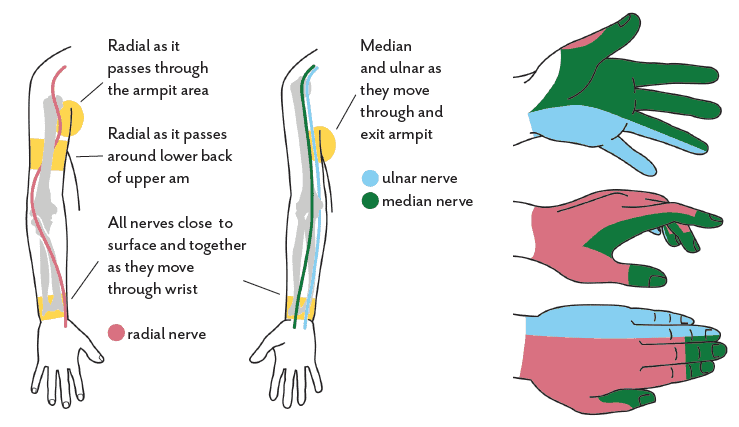
Abnormal sensation, known as “paresthesia”, is a very common symptom of nerve compression. You have experienced if you have ever had a limb ‘fall asleep’. Paresthesia can present as a decrease in sensation, numbness, tingling (pins and needles), burning, or just feeling ‘strange’. When these symptoms are experienced in the hand, the exact location can provide some information regarding which nerve is being impinged and discussed above. The compression or injury can be at any point along the path of that nerve — ay any point from the spine to hand.
Motor
Impaired ability to flex, extend, or otherwise move specific parts of the body can be an indicator of nerve compression as well. When it comes to these nerves, here are a few motions that can indicate impingement:
- Radial Nerve — Difficulty extending the hand backwards in a ‘stop’ motion.
- Ulnar Nerve — Difficulty extending the ring and pinky fingers (referred to as an ‘ulnar claw’).
- Median Nerve — Difficulty flexing the index and middle fingers (e.g., when making a fist).
There are a few tests that the Top and the bottom can do to help detect nerve compression.
Regularly Test for Peripheral Nerve Compression in the Arm
Do this both before the scene and periodically throughout.
Tops:
- Before the scene, have the bottom grip two of your fingers and squeeze them as hard as they can so you can feel the strength of their grip. Periodically throughout the scene have them repeat this. If their grip strength weakens noticeably, they may be having motor issues.
- Have your partner do the sensory and mobility tests below before the scene so you know what is normal for that person. Having an understanding of what is normal for them (“baseline”) is critical to detecting change. Periodically during the scene, instruct your bottom to do their sensory and mobility checks. If the bottom reports or you detect any changes in their sensation or motor skills, immediately direct your attention to addressing the issue.
Bottoms:
Regularly test your skin sensitivity and motor function throughout the scene.
Sensory Tests
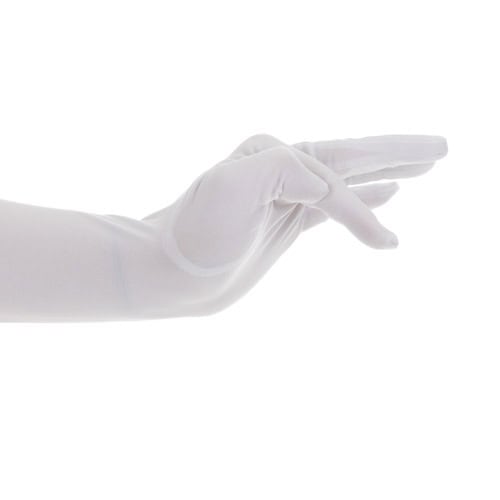
To test for numbness or changes in sensation, run your thumbnail gently against the skin of each of your fingers. Do the same with the fingernail of your first finger along your thumb. Ensure that you are using your nail to complete this action rather than the soft part of your finger. if the sensations you feel are different than they normally are for you, inform your Top immediately.
Run your thumbnail against the sides and bottoms of your fingers, one-by-one:
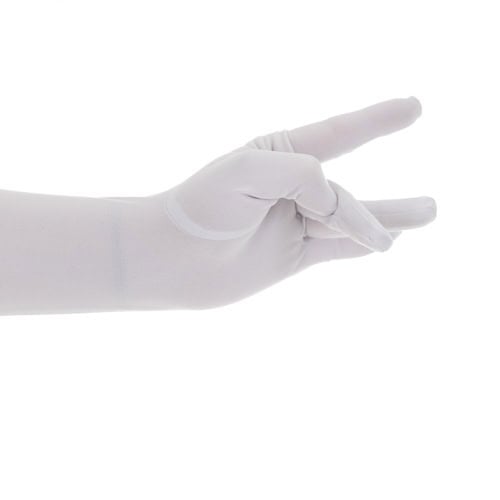
Run the fingernail of your forefinger against the side and back of your thumb:
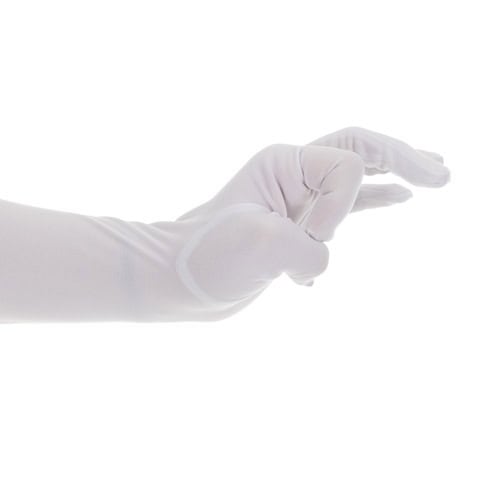
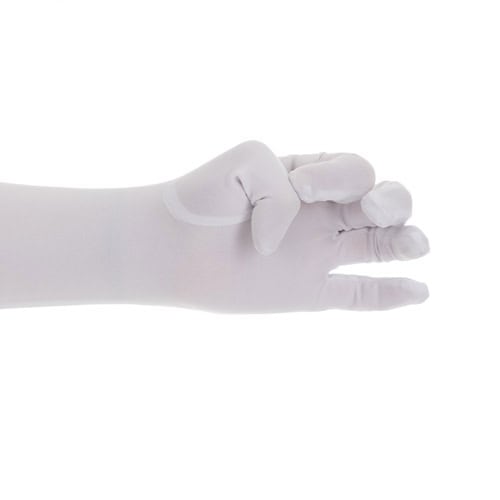
Motor Tests
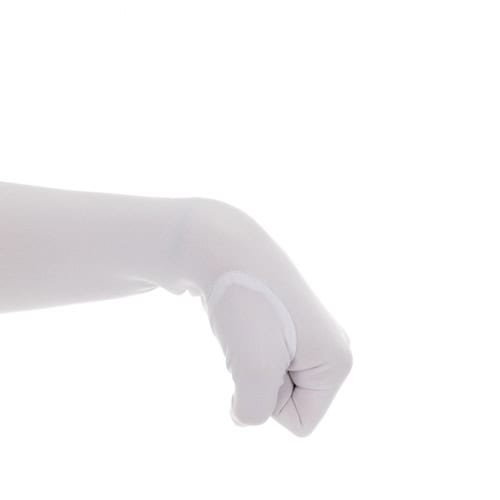
Flex all of your fingers into a tight fist, flex your fist downward as if knocking on a door, extend your fist backward, and extend all of the fingers away from the palm. This series of movements tests the motor function of the ulnar, median, and radial nerves. If you have difficulty doing any of these things the way you normally would, inform your Top immediately.
1. Make a tight fist.
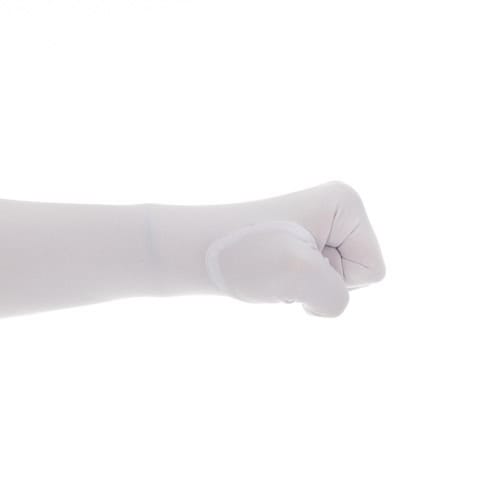
2. Extend that fist upward.
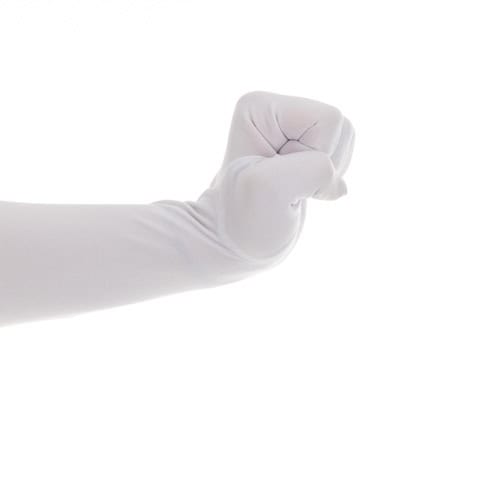
3. Flex that fist downward.
4. Extend your finger straight out.