
Nerve Compression
In case you missed it at the top of the page, we will repeat this: Nerve damage is insidious. It can happen almost instantly, or can build gradually over time, with multiple small injuries building to something more serious. It can take months to heal, or years, or it may never fully heal. Therefore, it is important that everyone involved recognize that this risk is always present, and that even if both Top and bottom do what they can to reduce the risk, nerve injury may still occur.
Nerve Functions and Common Indicators of Compression
Nerves do two major things:
- Provide sensation to a particular part of the body.
- Provide motor functions (“mobility”) to a particular part of the body.
Nerve compression can result in the following (but not always):
- Tingling or burning sensation.
- Numbness or loss of sensation.
- Weakness or loss of mobility.
One or more of these sensations may occur at the same time. It is also possible that you will not feel anything unusual before the damage is already done.
Common Causes of Compression or Injury
When doing rope, there seem to be three common ways nerves might be injured:
- Direct mechanical impact on the nerves: The rope is positioned on or very close to the nerve, and it presses on the nerve direction, causing compression or shearing, resulting in injury.
- Indirect stress on the nerves: The location of the rope (even when not directly over a nerve) and/or the position of the body (especially in ties that require significant stretching, twisting, etc. for which the bottom is not trained) impacts the nerve indirectly, resulting in injury.
- Anoxia/ischemia of the nerves: The blood supply to the nerve is restricted and can impact both sensory and motor nerve function. This is one way circulation issues can result in nerve issues.
The risk of nerve injury may be greater for those with “loose” skin or with large amounts of subcutaneous tissue, which is typically comprised mainly of fat cells. In situations like this, the skin and the nerves and tissue beneath the skin may move in such a way as to apply shearing forces which may more easily injure the nerve. Take extra precautions to make sure the cuff is tensioned evenly and appropriately for the body part being tied, and that the band is wide enough to appropriately distribute the forces that may be applied to it. For more on this, see Body Type Considerations.
Also, all bodies are different. Some people are more prone to nerve compression injury than others. You can test for this before you tie. Use your fingers to lightly massage or gently press on commonly vulnerable nerves. Note their sensitivity and location and use that information as you are tying.
Prevention Through Tying Well
While being intentional about where rope is placed is important, it is just as important to be intentional about how the rope is applied. In this book, tips and procedures designed to reduce risk will be shown alongside specific ties. However, each situation and person is unique, so here are some guidelines to keep in mind when applying rope:
- The more vulnerable the location, the greater the risk. Certain nerves are more vulnerable in some anatomical locations than in others. Learn which areas are particularly vulnerable and tie in ways that avoid or minimize compression in those areas. Apply and adjust this knowledge when tying on different people. Finally, incorporate your understanding of the anatomy of your bottom into the other areas of risk management (negotiation, circulation issues, medical concerns, etc.).
- The longer the rope is on the body, the greater the risk. One implication is that “more intense” or “more risky” rope should be shorter in duration. Another implication is that the Top’s control and efficiency are an important safety factor.
- The greater the tension of the rope, the greater the risk. Managing tension is a critical part of maintaining control over your rope and the situation in which the rope is being used. The tension of a particular tie should be “sufficiently tight” for specific circumstances in which it is applied to a person, and not tighter. Several variables contribute to what is considered “sufficiently tight”, including the tie itself, the purpose it serves, the body on which it is being tied, and the intentions of the rigger. A general rule to follow when beginning is to apply enough tension to prevent the rope from moving, shifting, or changing tension throughout the scene. This is why rope work that involves full suspension is significantly riskier than floor work.
- The narrower the band, the greater the risk. The smaller the area across which a force is distributed, the more pressure that force will exert. Using a wider band of rope will distribute the same amount of force across a wider area, therefore reducing the pressure exerted on any particular part of the body. This is only true if the tension of all of the wraps is the same.
- The more uneven the tension in the band, the greater the risk. Any twisting or overlapping of the lines can create a similar effect by increasing the pressure applied under those points while also warping the tension of the other lines.
Repetitive Injury
It is worth noting that repetitive injury, to one degree or another, is common amongst experienced rope bottoms. Repetitive injury occurs when a nerve (or group of nerves) is repeatedly stressed over the course of several different rope sessions — no single one of which caused noticeable injury at the time. This means that it may happen with no immediately indication or symptom. But the damage caused by “microtrauma” or “micro-injury”, can add up over time. Then some other time later during some other scene or even outside of a scene, you notice something that brings the injury to light. You might notice an unusual sensation like numbness, tingling or weakness. You might notice that you cannot lift as much as you used to to be able to lift.
Repetitive injuries can occur even when the rope is “tied well” every time. As we said above, rope is not safe. Repetitive injury is a risk of partaking in rope bondage and is not necessarily anyone’s “fault” if appropriate precautions were taken and effective communication was practiced.
Mitigating cumulative nerve injuries can be done through consistent and proactive musculoskeletal and nervous system care, including giving sufficient time between more risky activities to allow for greater healing. Monitoring and slowly building the strength and mobility of critical joints (shoulders, knees, ankles) can assist in injury prevention. Before doing so, seek the advice of a licensed physical therapist or rehabilitation specialist.
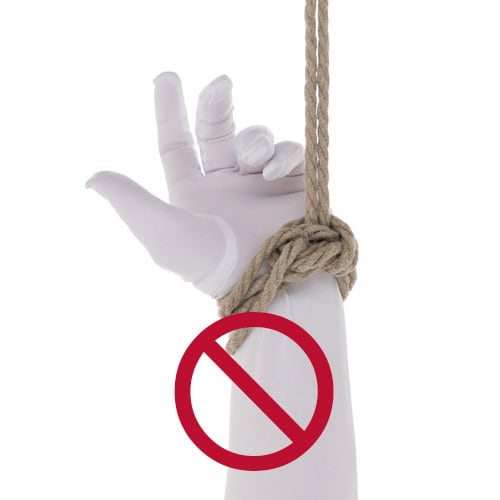
A badly-tied cuff. All the strands have different tensions.
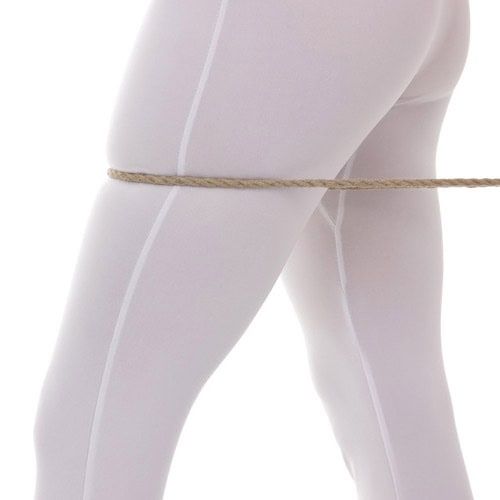
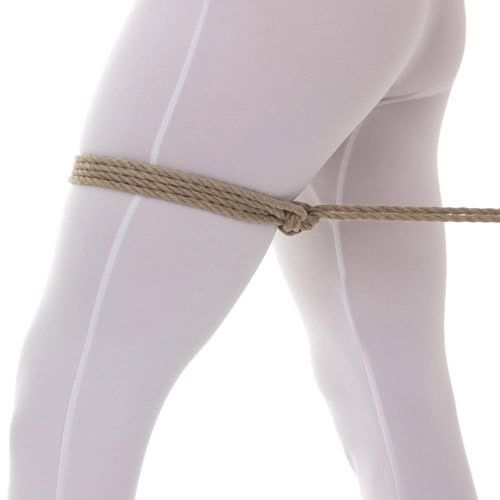
Single Strand (top) and a 4-Strand Cuff Band. Ten pounds of force digs in much deeper when it’s just a single strand.