
Physical and Medical Considerations
You need to understand if any participant has any physical or medical conditions that may take certain activities off the table. Ask these questions at a minimum:
“Do you have any current or past injuries that have resulted in areas of sensitivity or any flexibility or mobility challenges?”
- If a person has had any joint, bone, or muscle issues, it may impact their ability to assume a given position or to stay in that position for any length of time.
- E.g., “I have a nerve injury so I can’t have my hands tied behind my back.” Or “I have a rotator cuff issue, I can’t lift anyone into a suspension right now,” etc.
“Do you have any medical conditions that might make you react to stress or emotion in a heighted or unexpected way? For Example: Diabetes, heart conditions, high or low blood pressure, asthma, fibromyalgia, etc.”
- If any of these things apply, make sure they have taken their meds and had a small snack and water before the scene.
- Make sure you have any applicable emergency meds (juice, glucose tablets, inhaler, etc.) within reach before you start the scene.
“Do you have medical insurance?”
- If your partner sustains an injury while in your rope, who is on the hook, financially?
“What medications are you taking?”
- Insulin – You need to know where their emergency glucagon kit is and have it within reach during the scene in case they go low. Confirm they have had food (with protein) and water recently before the scene.
- Blood thinners – Find out why. There are some things that are much riskier if a person is on blood thinners. Rope suspension, for example. Also, these can have conflicts with other medications. Aspirin, ibuprofen, and naproxen also tend to thin the blood a little, so people on blood thinners are often told to avoid them and use acetaminophen instead. But confirm with them.
- Asthma Inhaler – You need to know how they typically manage it and where they keep their management tools, inhaler, etc. in case they have an episode when you are in a scene.
“Do you have any STIs we need to plan around?”
- Ask gently, with a neutral tone and with understanding. Do not imply that someone with an STI is dirty by asking if they are “clean.” Asking questions in a judgmental way can discourage people from answering honestly. Remember, honesty is crucial in negotiation!
- Having an STI doesn’t mean you can’t play. You just need to know so you can properly plan.
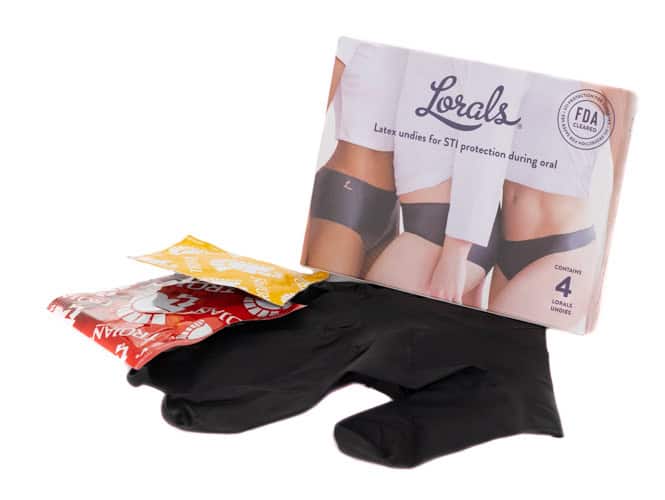
- Use barrier methods as a matter of routine! “I use safer sex techniques.” Just set that as a standard expectation going in, nothing personal, this is just what you do. Condoms, nitrile gloves, dental dams, mylorals.com wearable dental dams!
- Get screened for STIs annually and in between each sexual partner. You can’t know if you don’t test and knowledge is power. It is important to understand that not every STI is included in a routine screening. If you are concerned about something specific, ask your medical provider if it is included in your screening.
- If anyone is positive for an STI, do some research to ensure that your transmission prevention methods are based on the latest medical research and not on assumption.
More Information on Lesser-Known Conditions
Fibromyalgia (“Fibro”)
- Fibro is different from person to person, but most people with fibro have heightened pain responses. (If someone without fibro bumps their knee, they go ouch and it bruises. If someone with fibro does so, they may get a blooming bruise, and cry because it throbs for almost an hour afterwards.)
- The pain centers will also be different from person to person, so if someone says they have fibromyalgia, ask how they experience it. Find out things you should be aware of to plan an appropriate scene.
- Here are a few links for more on this… 18-points-used-to-diagnose-fibromyalgia | Fibromyalgia Tender Points
Small Fiber Neuropathy (“SFN”)
If your partner has Small Fiber Neuropathy, they may experience pain or other sensations in ways or to degrees that you might not expect. This condition requires special negotiation to determine what will and will not work.
Check out the Small Fiber Neuropathy post for more.