
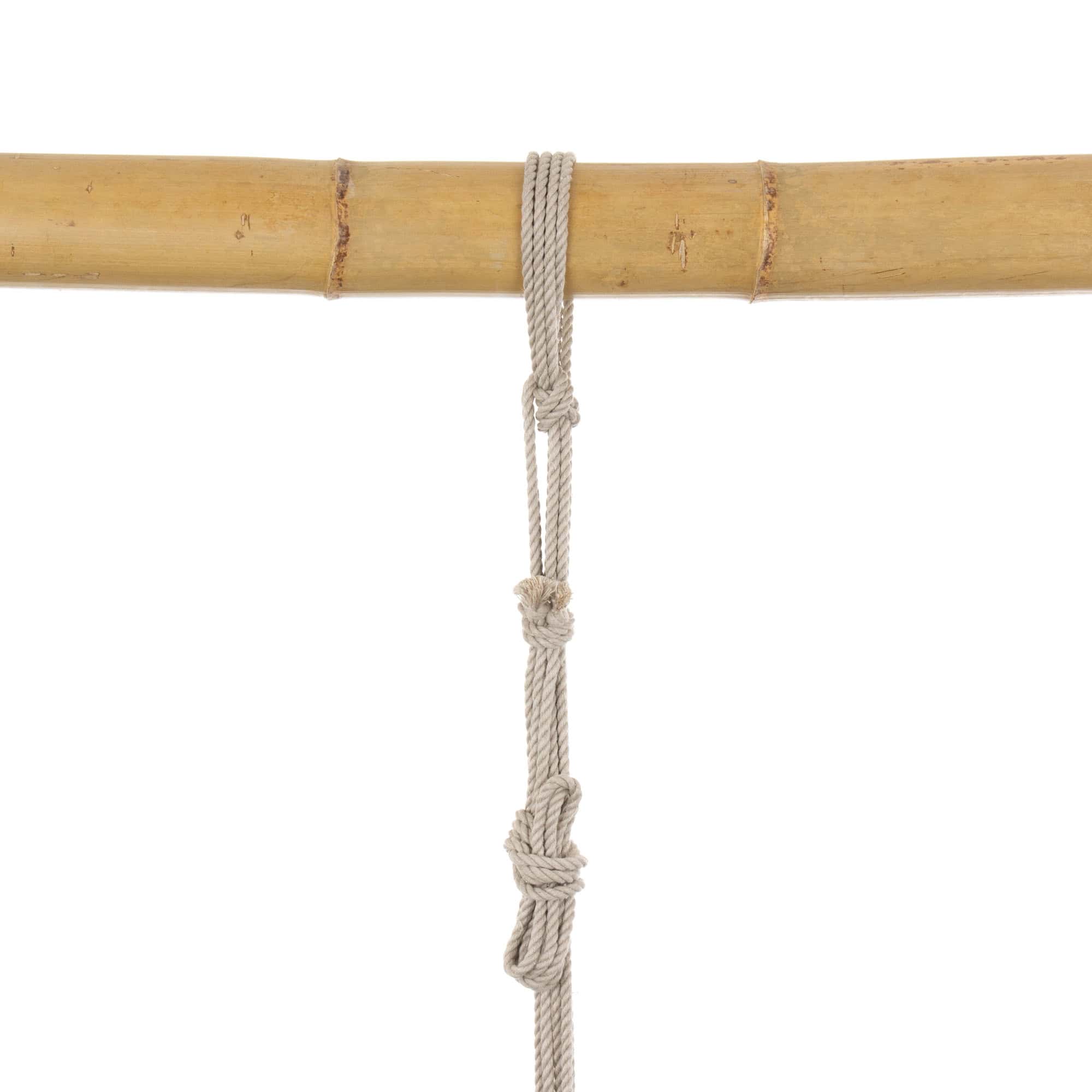
Bamboo Suspension Friction
Very fast friction. Great for around wider hard points like bamboo or pipe
Mastering Bamboo Suspension Friction in Rope Bondage
Rope bondage is as much an art as it is a skill, and mastering techniques like bamboo suspension friction can take your practice to the next level. Whether you’re connecting rope to a bamboo pole, a pipe, or even a tree limb, understanding this friction technique adds versatility and safety to your sessions. This tutorial walks you through the process in excruciating detail to ensure clarity, efficiency, and proper execution. By the end of this guide, you’ll be able to practice and execute this technique in under a minute!
What is Bamboo Suspension Friction?
Bamboo suspension friction is a technique used to safely and securely connect ropes to broader, stable objects like bamboo poles, pipes, or tree limbs. Its utility lies in creating stable suspension points while distributing weight or tension effectively. The method ensures your rope remains tightly in place, providing a strong foundation for suspension work in a variety of setups.
This technique is particularly useful for rope bondage practitioners who enjoy experimenting with creative suspension bondage designs, where conventional hard points may not always be accessible.
Safety in Bamboo Suspension Practices
Before we begin, let's highlight the most important aspect of rope bondage—safety. As with any rope bondage or suspension practice, there are key safety measures to keep in mind while performing bamboo suspension friction:
- Consent is Key: Always communicate and ensure enthusiastic consent between you and your partners.
- Inspect Your Equipment: Check your ropes, bamboo poles, or other hard points for stability and any wear or damage.
- Plan for Quick Release: Always have safety shears or a cutting tool nearby in case of emergency.
- Prioritize Body Awareness: If this suspension is to hold weight, understand the anatomy of your rigger and model involved. Avoid undue pressure on joints, major veins, or nerves.
- Practice Without Load First: Before performing this technique in an actual session or with a model, practice without load to familiarize yourself with the steps.
With these considerations in place, you’re ready to learn and experiment with bamboo suspension friction.
Step-by-Step Guide to Bamboo Suspension Friction
While this written guide offers detailed, precise steps, remember that the process becomes intuitive with practice. Approach these instructions as an opportunity to refine and improve your efficiency.
Step 1: Prepare Your Rope and Hard Point
- Choose the Right Rope: Use durable bondage rope made of natural fibers like jute or hemp, or synthetic fibers like nylon. Your rope should be strong enough to support the intended load and in good condition.
- Inspect Your Hard Point: Ensure the bamboo pole, pipe, or tree limb is sturdy, stable, and capable of managing the load without bending or breaking.
Step 2: Position Yourself
Place yourself close to the hard point and within easy reach of your suspension setup. Pay attention to your hand positions to maintain smooth transitions and controlled tension throughout.
Step 3: First Anchor Loop
- Create a simple loop in your rope, wrapping it once around the bamboo or hard point.
- Ensure the loop is snug but not overly tight, allowing your rope to move smoothly during the next steps.
Step 4: Create Friction Layers
- Start wrapping additional loops of rope around the hard point.
- Overlay each loop slightly to create friction. The tension in these layers is what secures the rope to the hard point.
- Keep the layers uniform to ensure an even distribution of pressure. This prevents the rope from slipping.
Step 5: Final Secure Knot
- Complete the friction by tying the rope off with a secure finishing knot, such as half-hitches or a square knot.
- Tug gently to ensure everything is tightened appropriately and does not shift.
Step 6: Test Your Suspension
Before suspending any weight, give the rope a test pull with your hands. This checks that the friction holds steady under tension. Once you’re confident in the security of your setup, you’re ready to proceed with a suspension scene.
Practical Tips for Refining Your Technique
- Hand Placement: Pay attention to your hand positioning throughout the process. Efficient and deliberate movements will help the technique flow naturally over time.
- Consistent Tension: Maintain consistent tension as you wrap the layers; loose wraps can compromise the grip of the friction.
- Adjust for Different Hard Points: Bamboo poles are smooth and uniform, but tree limbs or pipes may vary in texture and diameter. Adapt your technique to match the specifics of your hard point.
- Practice Makes Perfect: The more you practice, the easier this method will feel. Eventually, you’ll be able to complete this setup in less than a minute.
Why Bamboo Suspension Friction Is Essential
Bamboo suspension friction is more than just a functional technique—it’s an innovation in creativity for rope bondage enthusiasts. The versatility it offers allows practitioners to expand their repertoire to include unique hard points, encouraging exploration and customization in their rope work.
Additionally, mastering this skill exemplifies the balance of precision and artistry that is central to advanced rope bondage practices. It ensures that both the rigger and the model can engage in scenes with trust, safety, and confidence.
A Final Thought—Experiment and Share
Remember, every expert was once a beginner. If this technique feels challenging at first, it’s all part of the learning process. Take your time, practice, and celebrate the progress you make along the way.
Looking for more advanced rope bondage techniques or personalized guidance? Join our community and explore in-depth tutorials to continue honing your craft. Bondage isn’t just a skill; it’s a shared art form that thrives when passed along with care and camaraderie.
This suspension friction is very useful for connecting to a wider hard point like a bamboo pole, pipe or tree limb, etc. I have gone into excruciating detail in the tutorial below, talking step-by-step about hand positions, so the tutorial looks quite long. But this level of detail is just to help you see greater efficiencies. Once you have practiced this, you can do the entire thing in less than a minute!
Creating the friction
Locking it off
Using up extra rope
Let’s see all of this from a different angle. This is a repeat of the above, but if you had any questions, perhaps this alternate angle will clear them up