
Free to explore
New to TheDuchy? Everything on this page is free — no membership needed. Start with the guides below, then dive into our free tutorials and articles.
Start here
Free guides and references to get your bearings.
Free content
Tutorials, scenes, and more — open to everyone, no subscription required.
 Tutorial
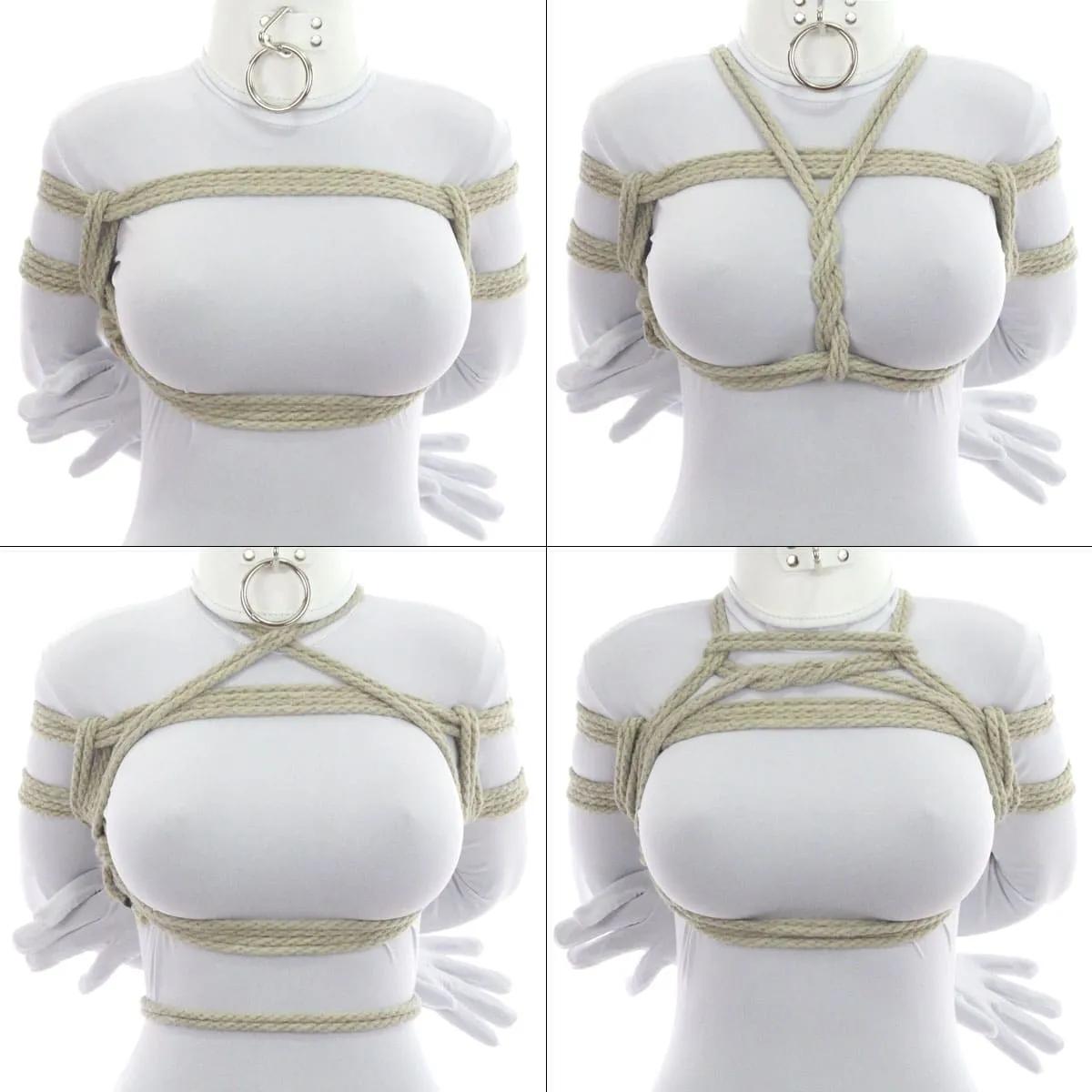
Gote Shibari
Gote Shibari (aka the "Takate Kote" or "TK") is an very popular box tie used by riggers around the world!
 Blog
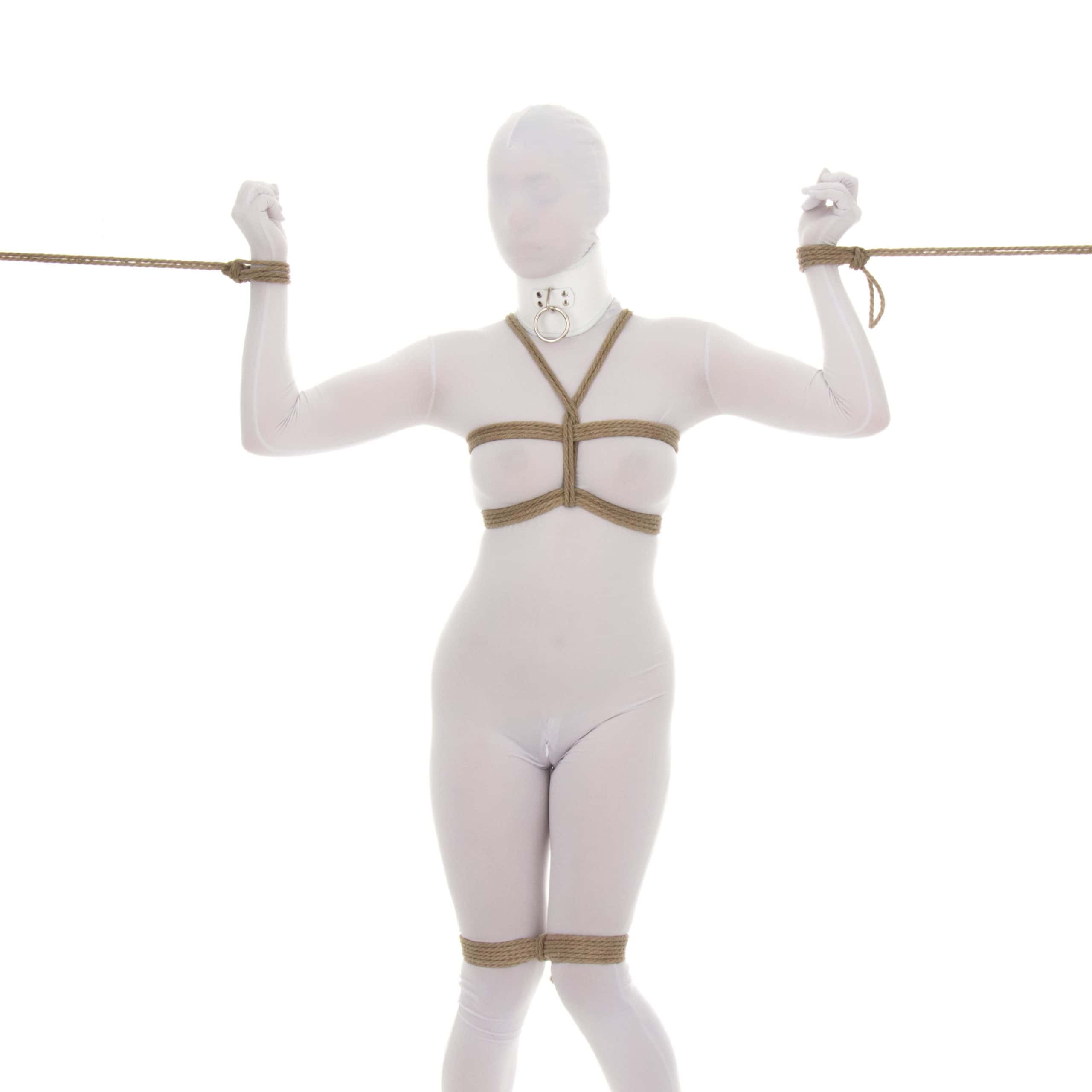
BlogTop 5 Best Shibari Ties for Beginners
Discover the Top 5 Best Introductory Shibari Ties in this essential guide to rope bondage for beginners. Explore Shibari safely and confidently with these easy and simple ties.
 Blog
BlogGetting Started
If you’ve been wondering how you can safely (and consensually) tie up a partner, you’ve come to the right place!
BlogFoundations of Rope Bondage (Class)
An instructor resource intended for those teaching an introductory class on Rope Bondage
 Blog
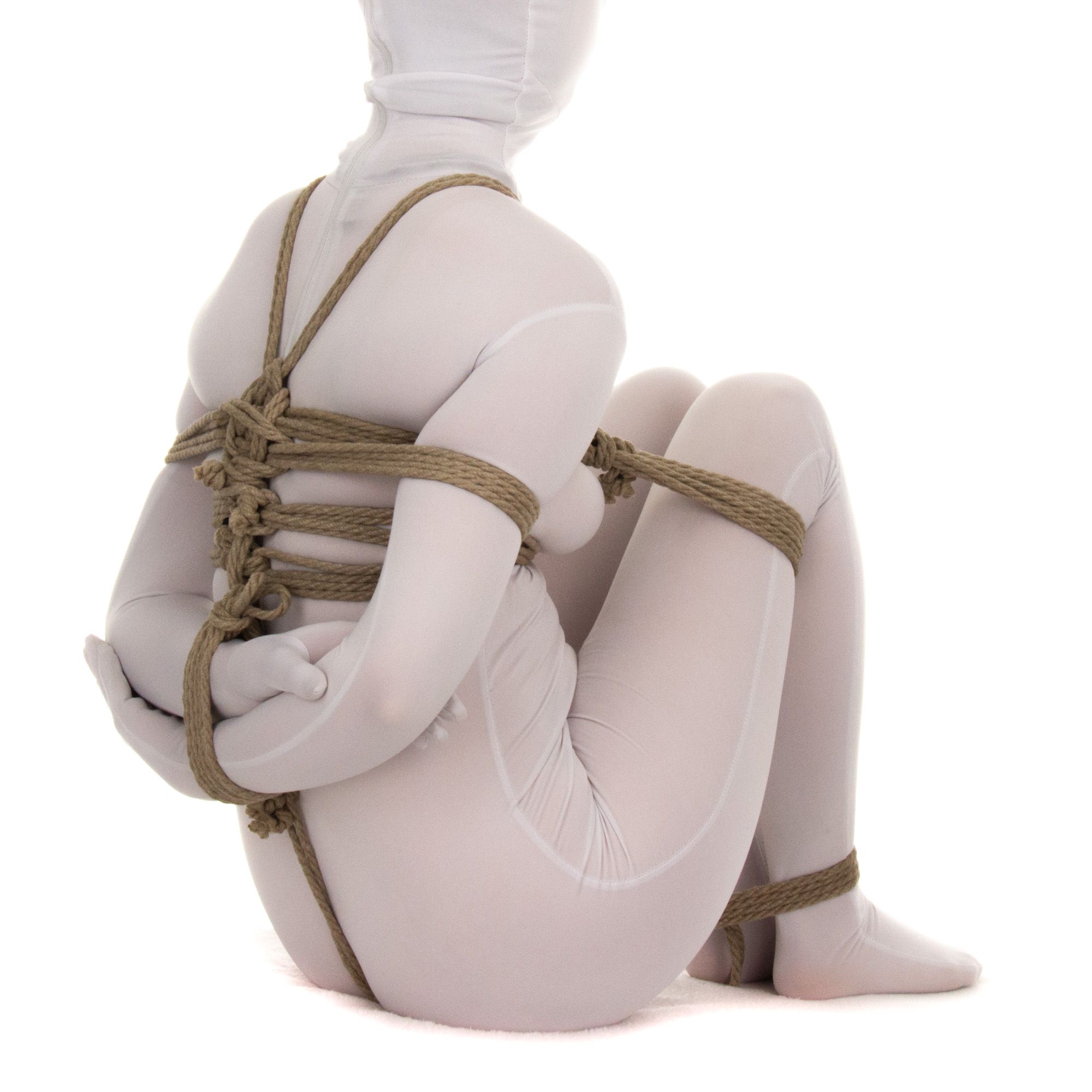
BlogBall Ties - Core
There are *many* ways to tie your partner into a ball. This tutorial shows you over 1600 of them…
 Blog
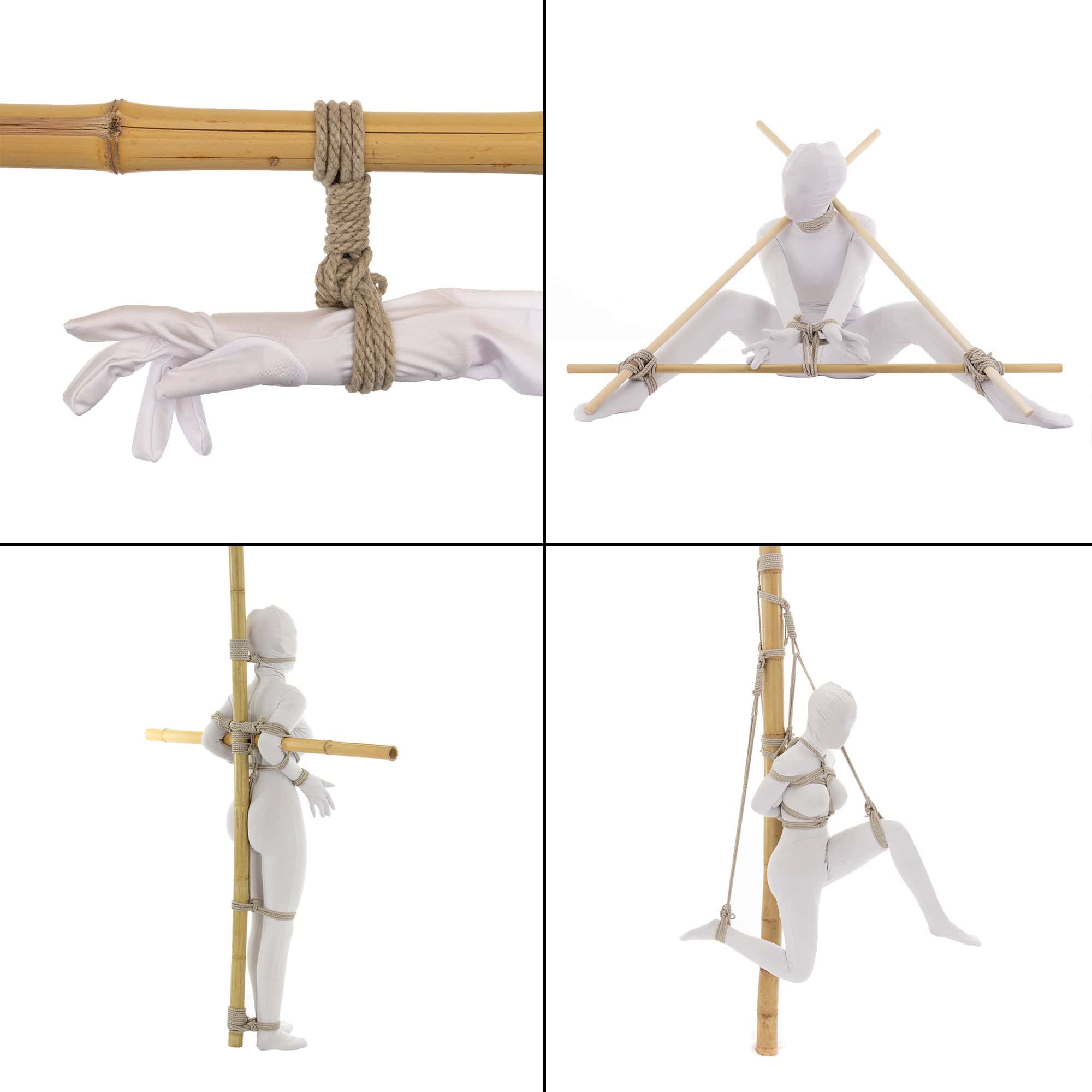
BlogBamboo Bondage
The use of bamboo in a bondage scene is evocative. This course walks you through the concepts from beginner to advanced
Bondage Tutorials: Where To Start
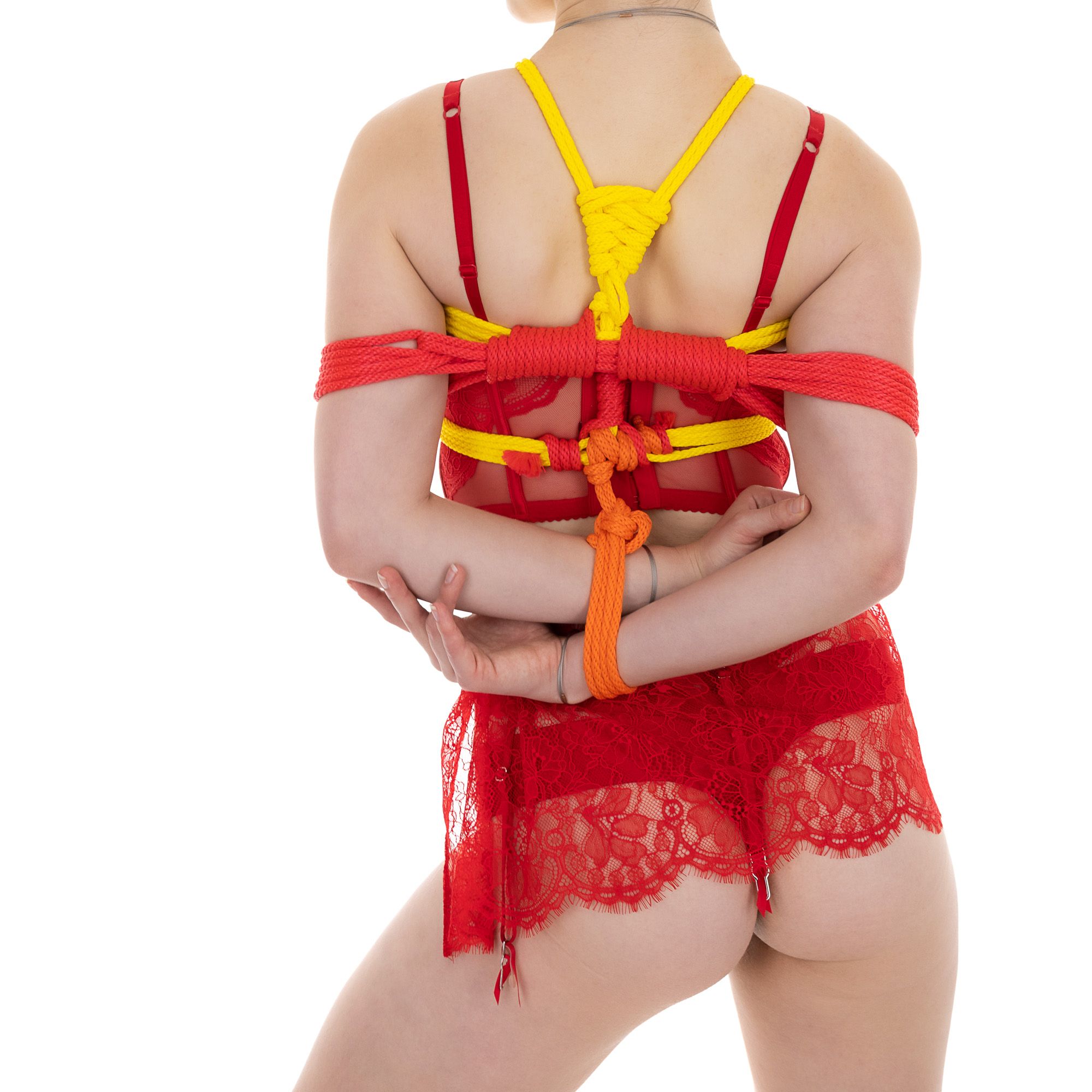 Creating a Scene
Box Tie with 101 Techniques
Free Sample of CAS
 Creating a Scene
Fall Waitress
A simple scene to celebrate the holidays!
 Creating a Scene
Fall Colors - Quadruped
Includes bonus pictures from this playful set, just for fun!
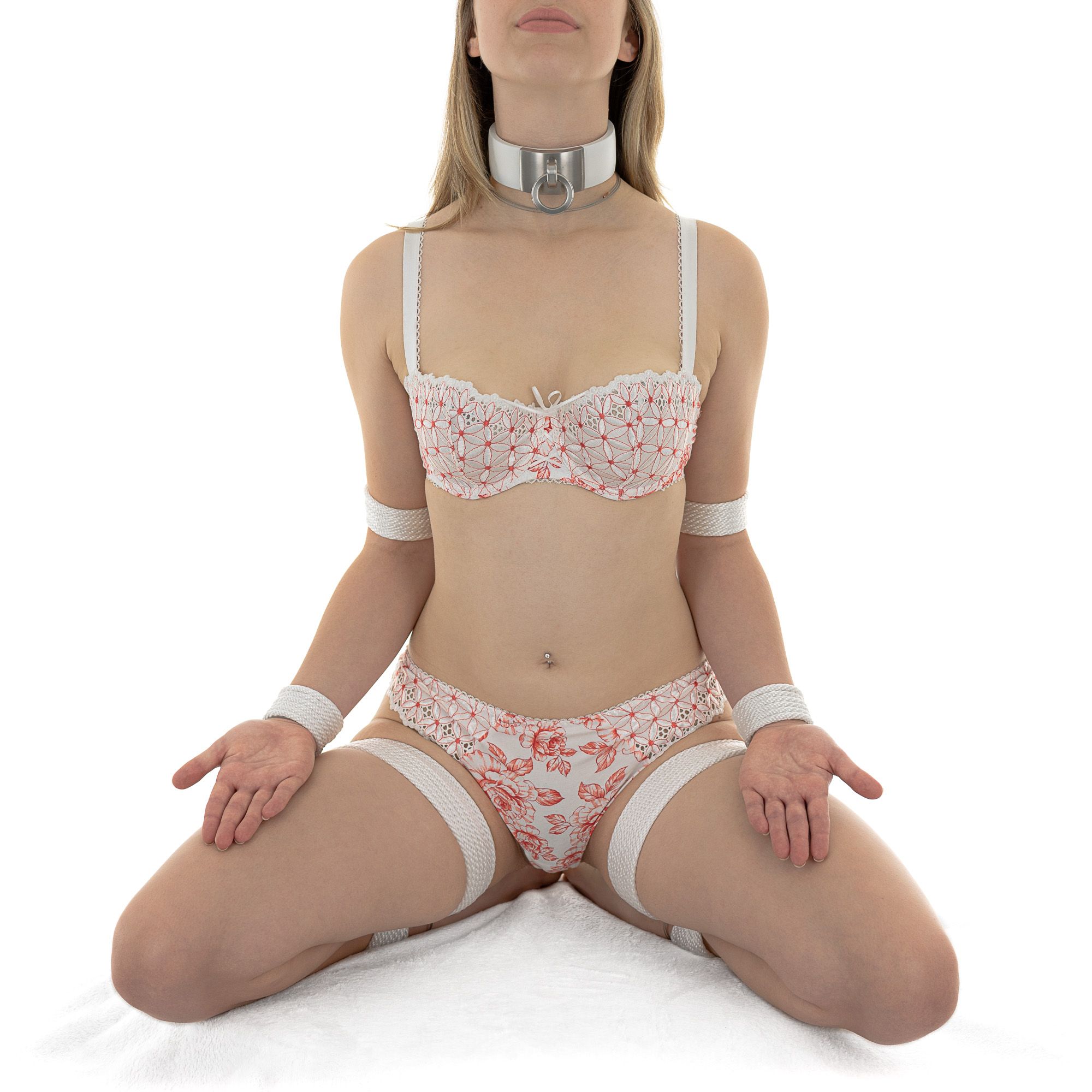 Creating a Scene
Enforced Nadu
Blue in a classic enforced nadu pose.
 Creating a Scene
Blue in 101 Rope
Blue demonstrating how beginner rope scenes are achieved.
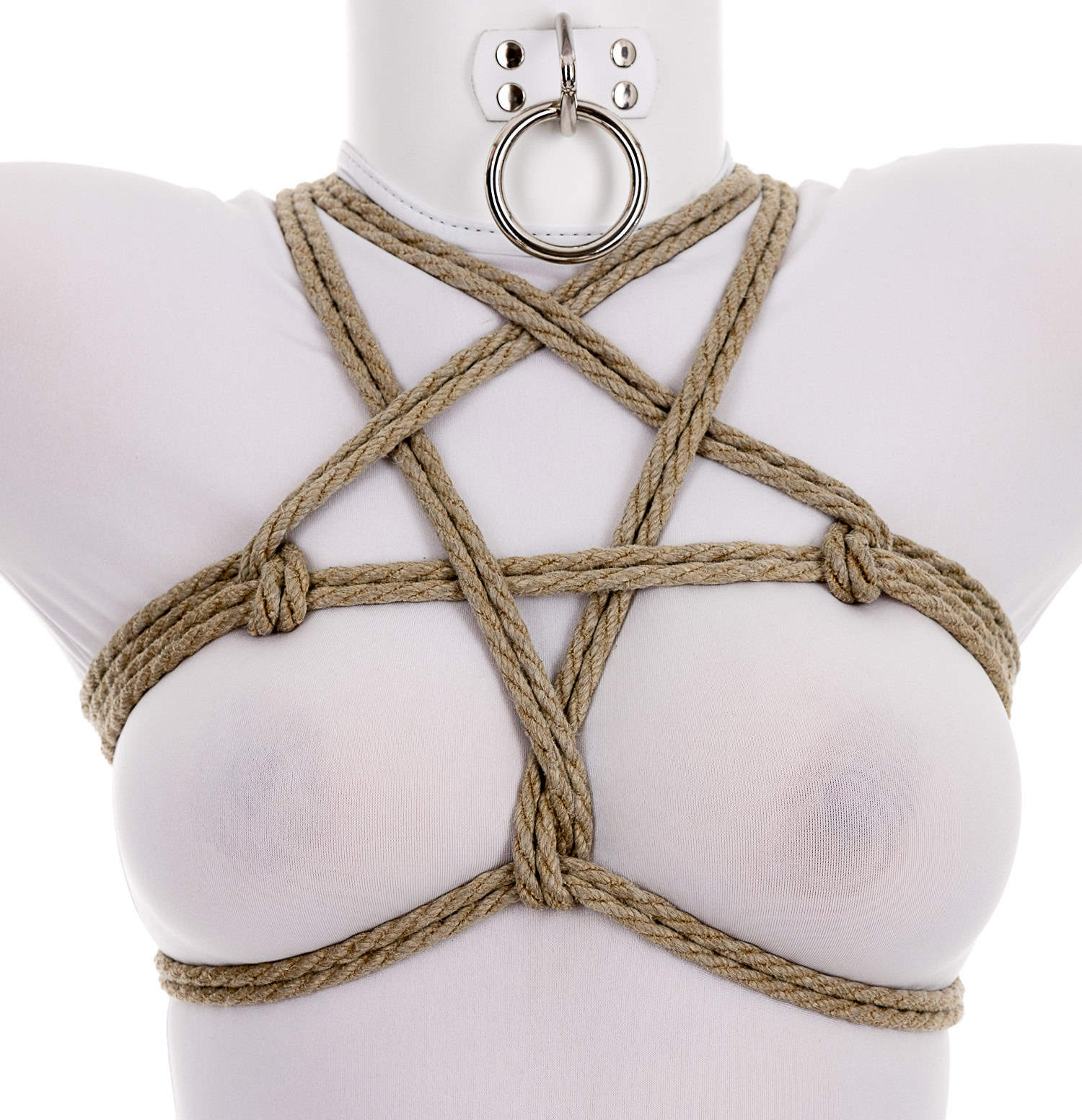 Tutorial
Pentagram Harness v2
This attractive harness can be lots of fun for religious- or occult-themed scenes.
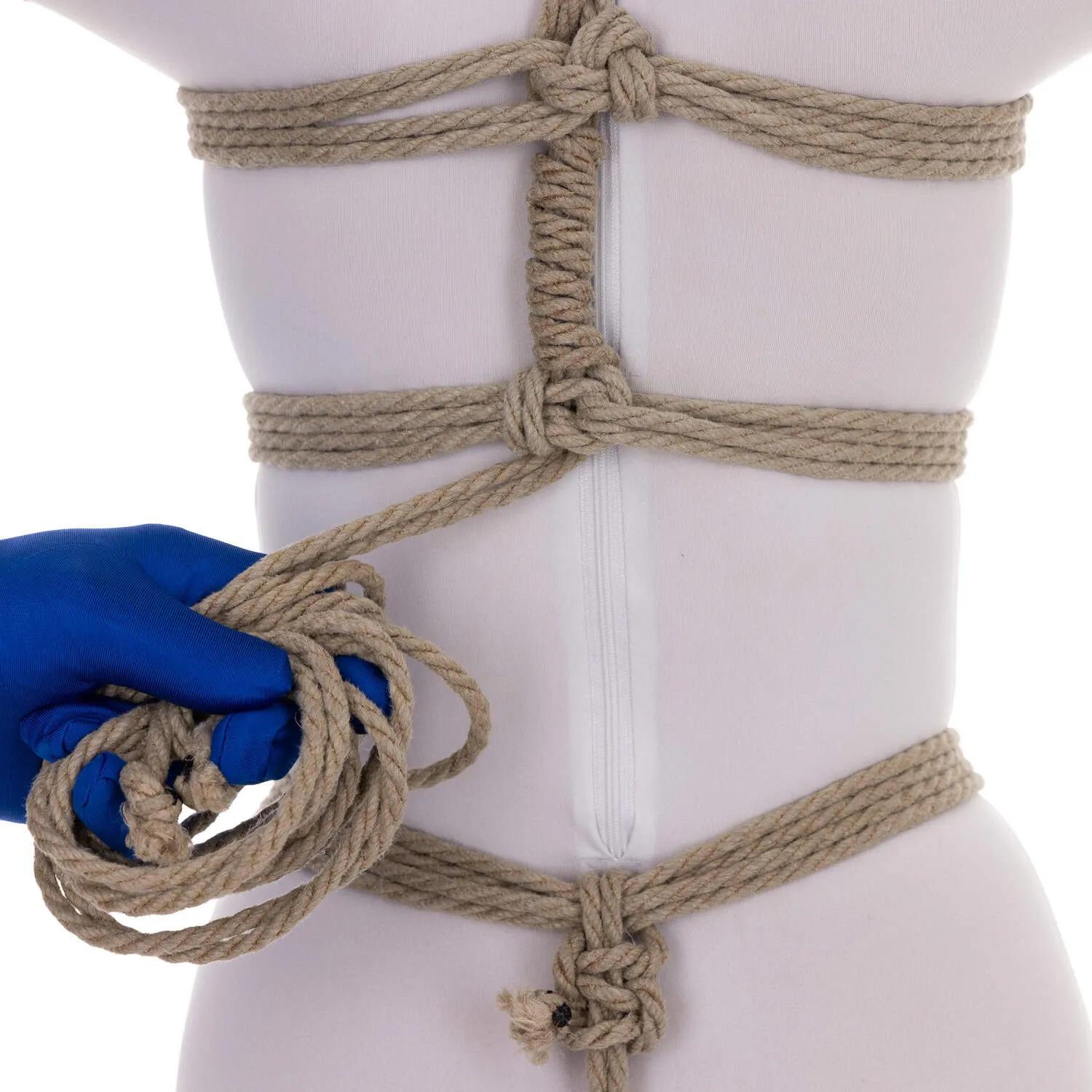 Blog
BlogHandling - Using Up Extra Rope
How to use up extra rope when your main tie is complete.
 Tutorial
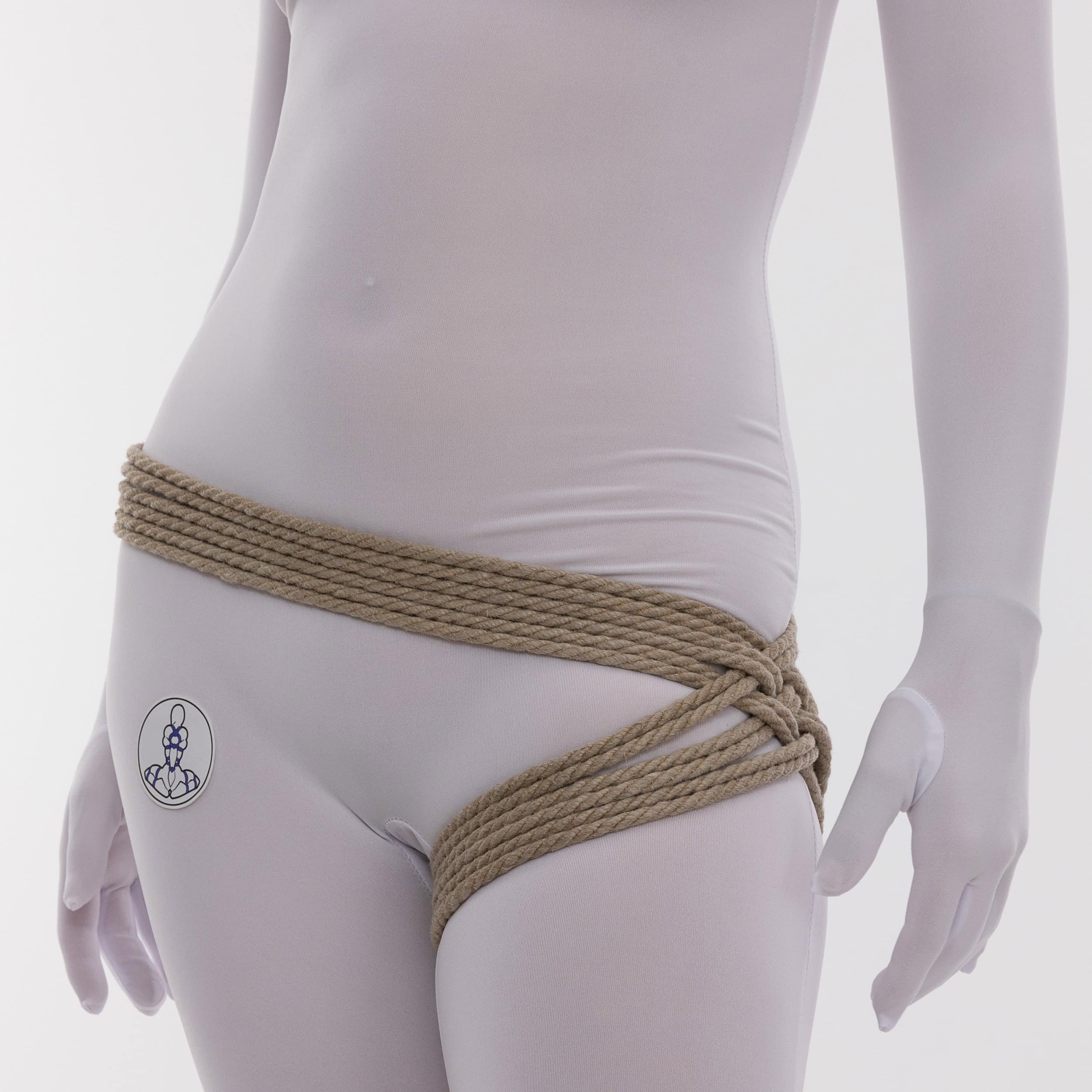
Woven Hip Harness - One-Sided - Locked with Half-hitch
This attractive harness is fast to tie, looks amazing and is suitable for horizontal side suspensions on one side (hip weave side down). This version is locked with a Half Hitch at the back.
 Tutorial
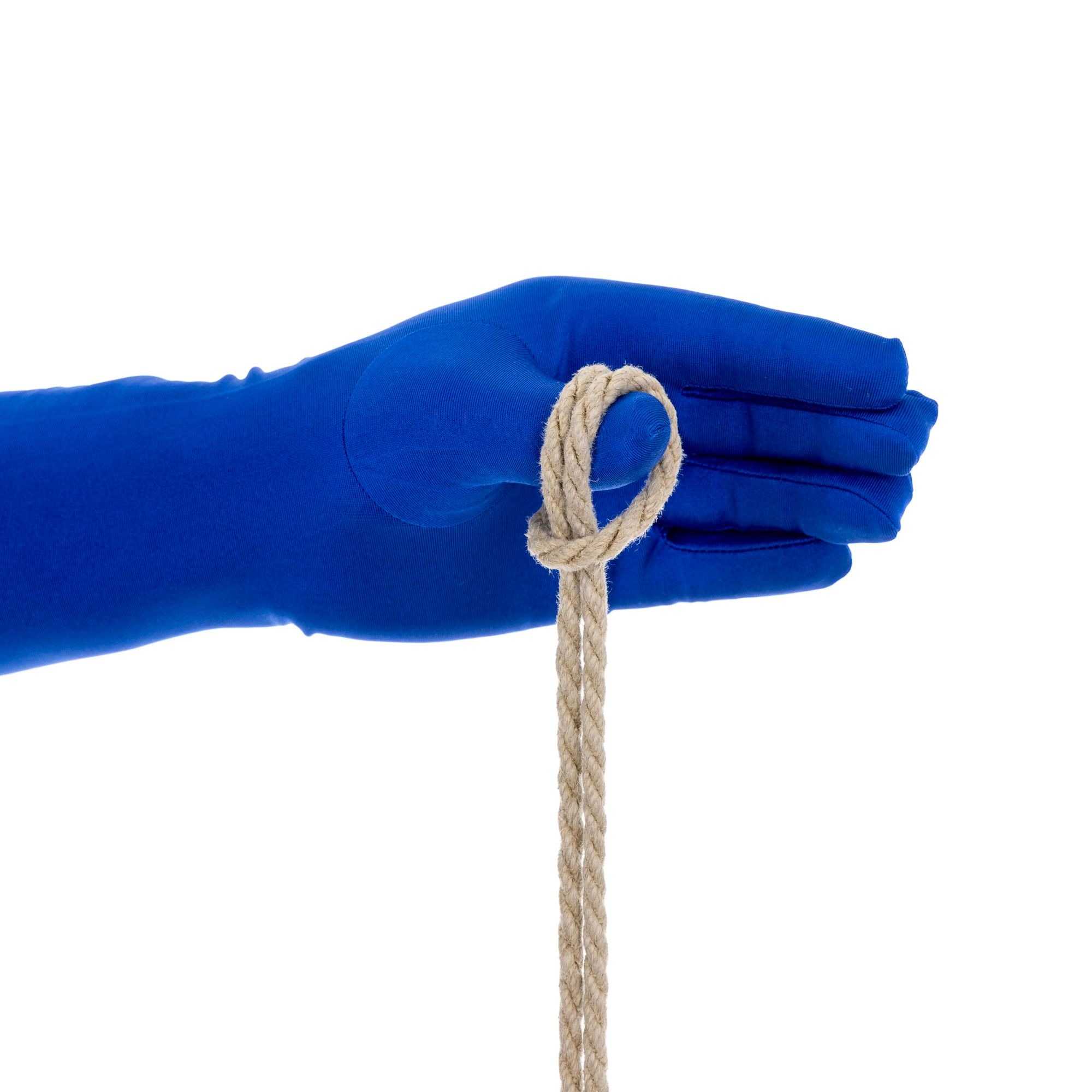
Lark's Head Knot
This is one of the simplest sliding (collapsing) knots. It should not be used for bondage directly, but is often the first step in other ties.
 Blog
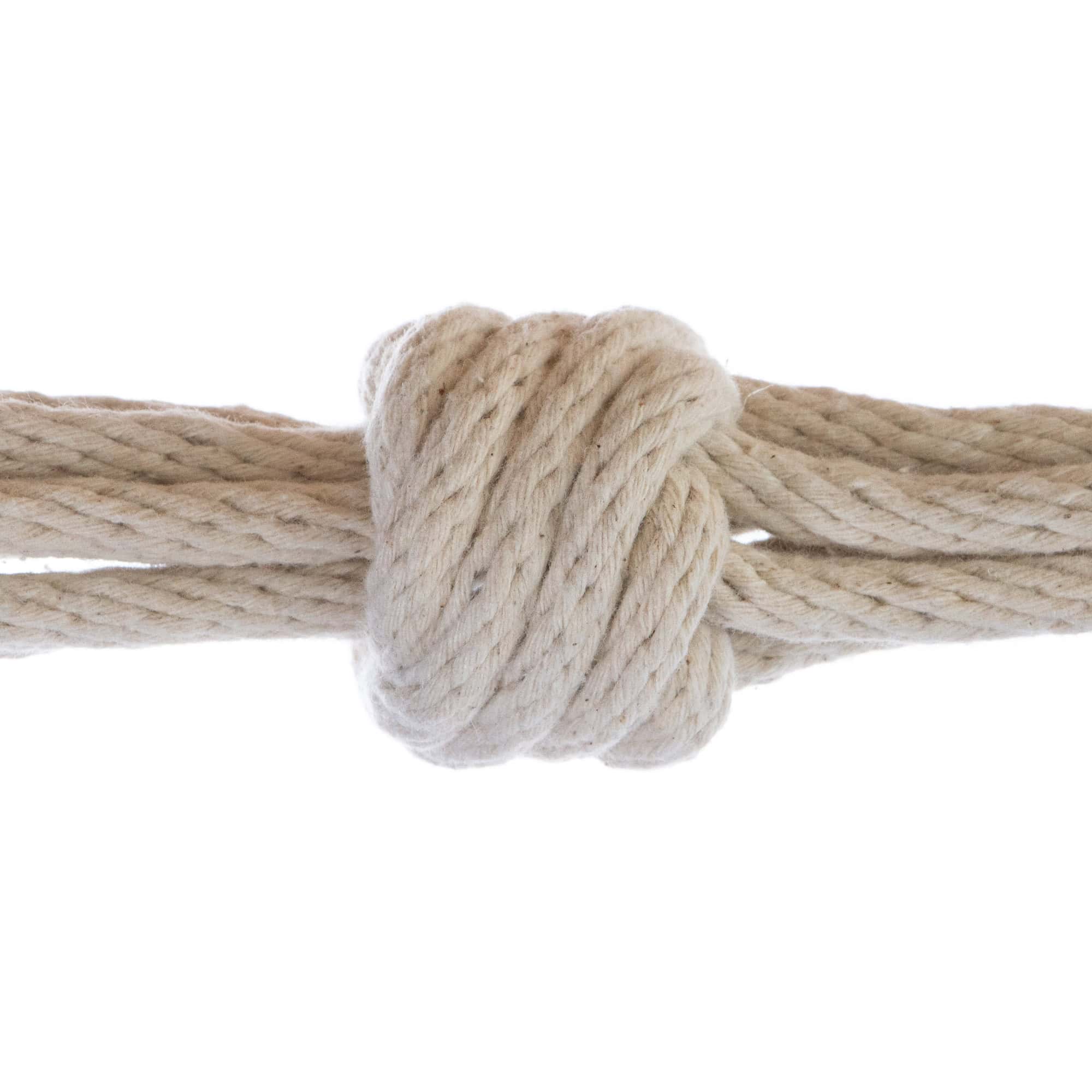
Blog6 Strand Matthew Walker Knot (MWK6)
The Six Strand Matthew Walker Knot is the transition that joins a flogger's handle to its falls — typically one of the first knots tied, anchoring the design that follows in both directions.
 Blog
BlogSpatial Transformation
Preparing my rope space for the first guest: a vacuum, some plants, warm lights, and a detour through how smartphones make me a worse host than I want to be.
 Blog
BlogParty invites and uncertainty
I've been invited to a rope party — and I'm anxious. Notes on social overthinking, imposter syndrome, and asking 'am I rope-y enough?' before the door opens.
 Blog
BlogHow growing closer can tear us apart
Why kink — and connection — fade in long-term partnerships, and what intentional rope practice has taught me about staying curious about people I already know.
 Blog
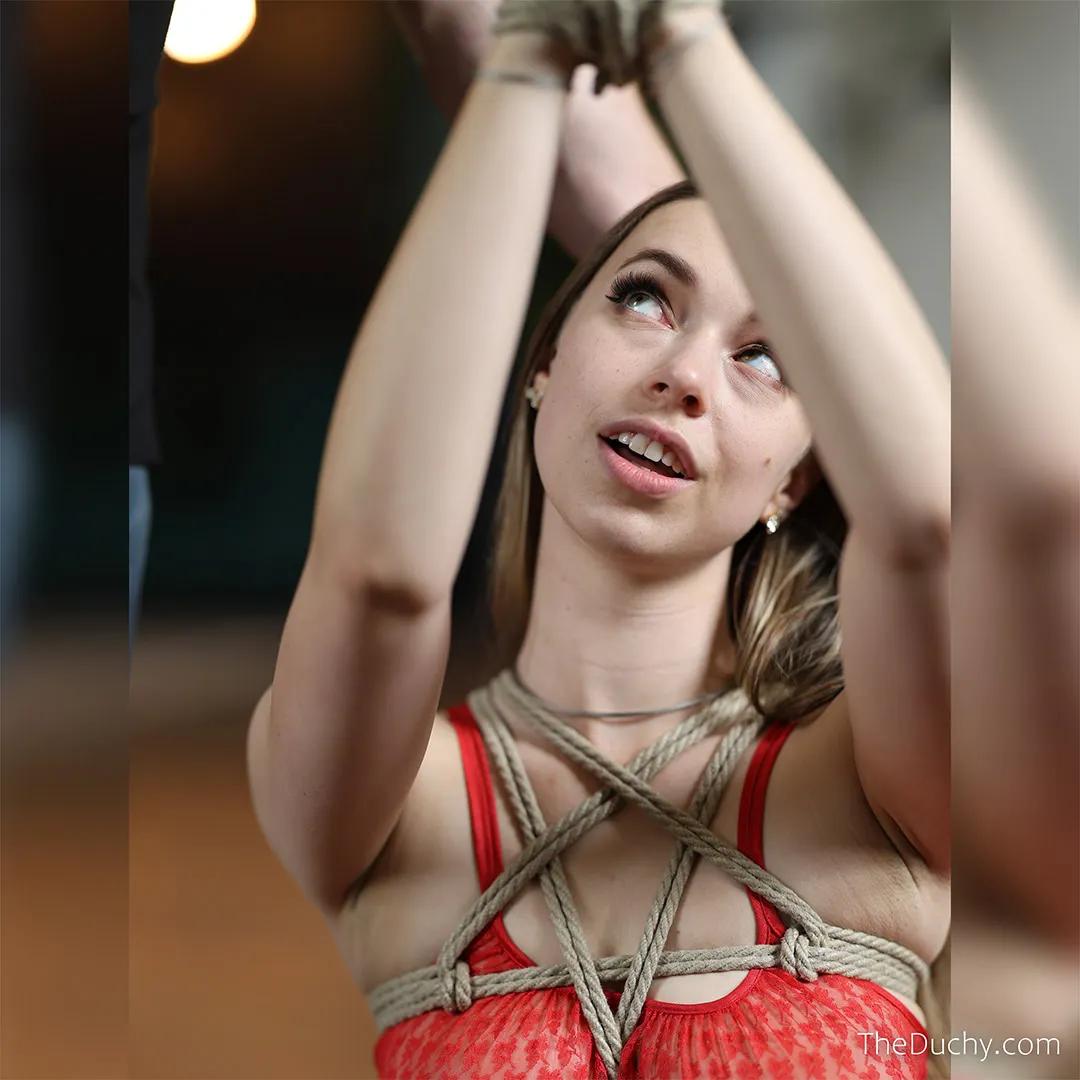
BlogCustom fit
A pentagram chest harness with Hekate — three fittings, careful feedback, and the unfamiliar territory of physical intimacy without a sexual context.
 Blog
BlogBaby's First Rope Party
My first rope party as a baby rope top — affirmations from Master before I left, a thoughtful gote shibari with the host, and a roomful of philosophizing.
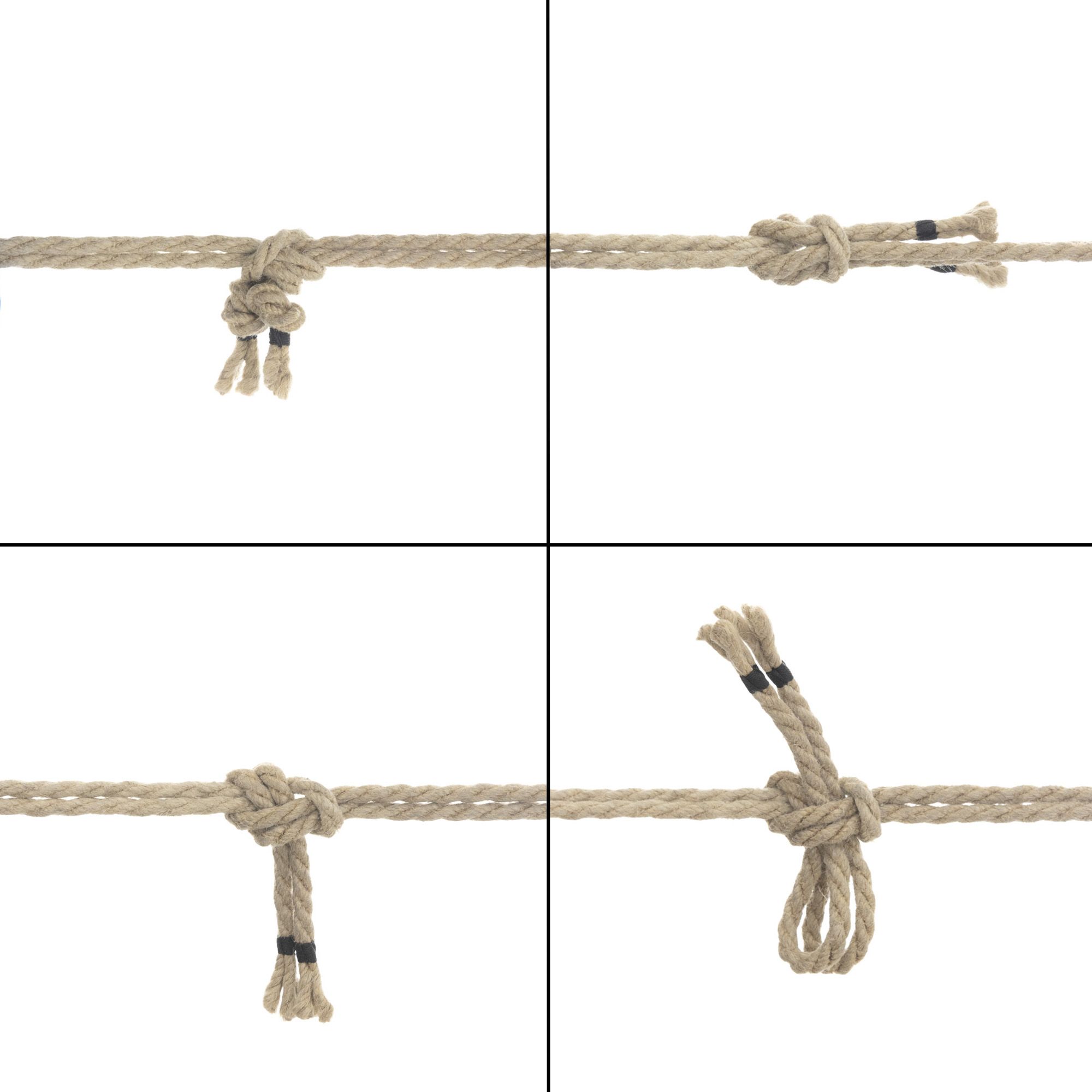 Tutorial
Extending Rope
Three way to add rope to your tie if you need a bit more...
 Blog
BlogScene Planning & Safety
Information helpful for planning out your suspension scene, including additional safety information